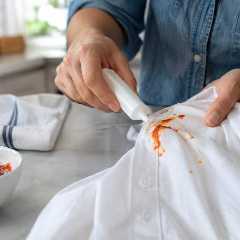

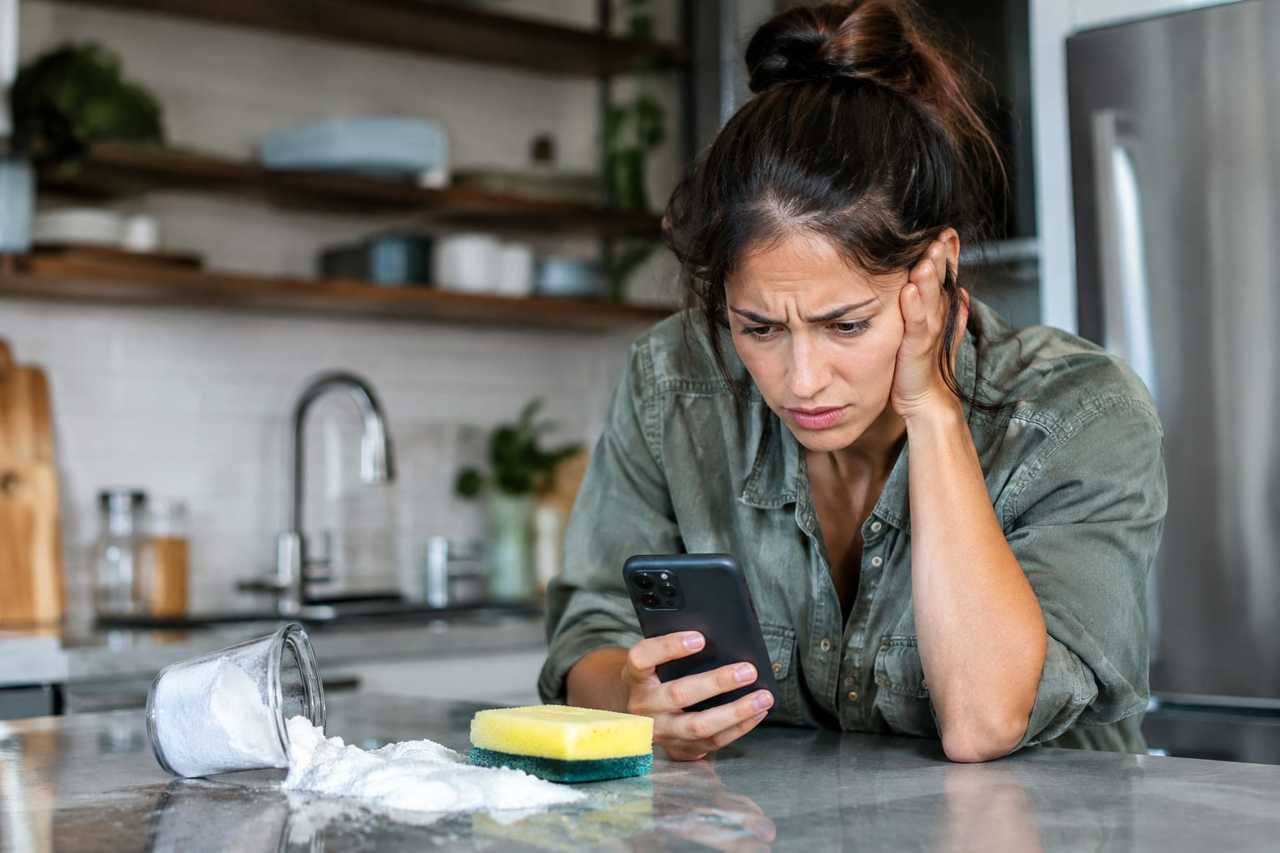
Social media is full of cleaning tricks that look amazing in videos, but an ex-professional cleaner warns that many of them can waste your time, damage your home, or even put your safety at risk, according to Which?.
This site exists to explain stories like this one in plain terms, so you do not need a dictionary to understand what is safe to try at home.
What this means for you
If you copy cleaning hacks from TikTok, Facebook or Instagram without checking them, you could end up with ruined floors, damaged electronics or even harmful fumes in your home. Here are the ten trends experts say to avoid, and what to do instead.
Using bleach on everything. Bleach can stain fabrics, damage surfaces and release harmful fumes if mixed with other chemicals or hot water. Use a milder cleaner suited to the surface, and always check instructions first.
Mixing lots of cleaning products together. Combining things like bleach and ammonia, or hydrogen peroxide and vinegar, can create toxic or corrosive fumes. Stick to one product at a time and rinse well before switching.

Spraying cleaner straight onto screens. Liquid can leak into ports and damage electronics. Use a dry microfibre cloth instead, and only apply cleaner to the cloth, not the screen.
Treating vinegar and baking soda as a cure-all. The fizzy reaction looks impressive but cancels itself out quickly and does not disinfect. Pick a cleaner made for the job instead.
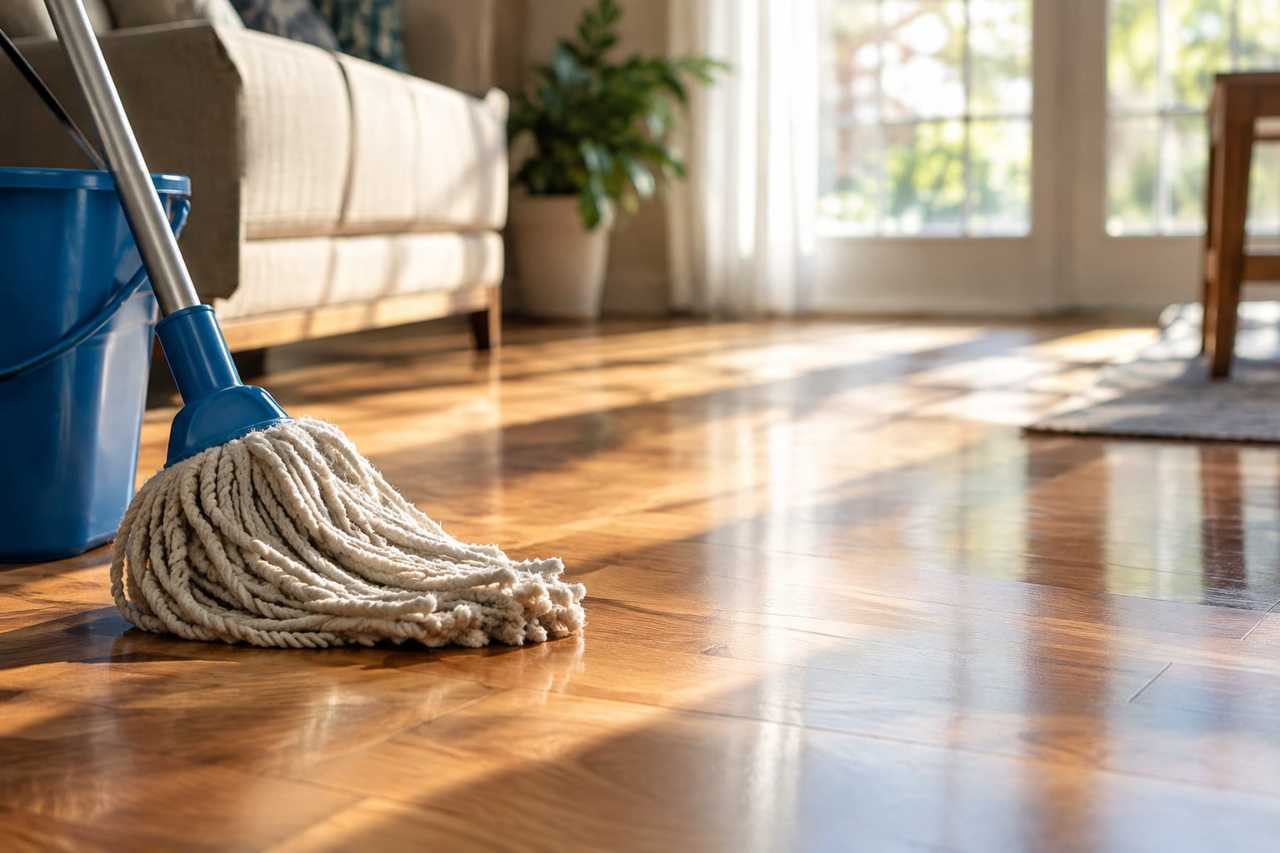
Soaking or scrubbing wooden floors too hard. Excess water can warp or lift flooring, and too much soap leaves sticky residue. Use a well-wrung mop and a soft cloth for tough marks.
Using dishwasher tablets for everything. They can work on tasks like burnt pans, but using one tablet to clean a single item often costs more than washing-up liquid. Save tablets for jobs where they truly work better.
Flushing boiling water down the sink too often. It can stress pipes over time, especially plastic ones, and may not clear blockages. Use hot tap water for routine care, and boiling water only occasionally.
Boiling wooden spoons and utensils. Wood is porous, so soaking and heat can cause cracking. Wash by hand in warm soapy water and let them air dry.
Decanting cleaners into unlabelled bottles. This can make it hard to know what is inside or how to use it safely. Keep products in their original containers whenever possible.
Using fabric softener as a dust repellent. It is not designed for cleaning, has no disinfecting power, and can leave residue that attracts more dust. A simple all-purpose cleaner works better.
Trying a new cleaning hack can feel satisfying, but it is worth checking if it is actually safe and effective first. Before you try your next viral trend, look up the manufacturer's care instructions for your surface or appliance.
Our last article on this: Costco’s Sleek 10-Piece Pyrex Storage Set Is a Game Changer for Meal Prep