

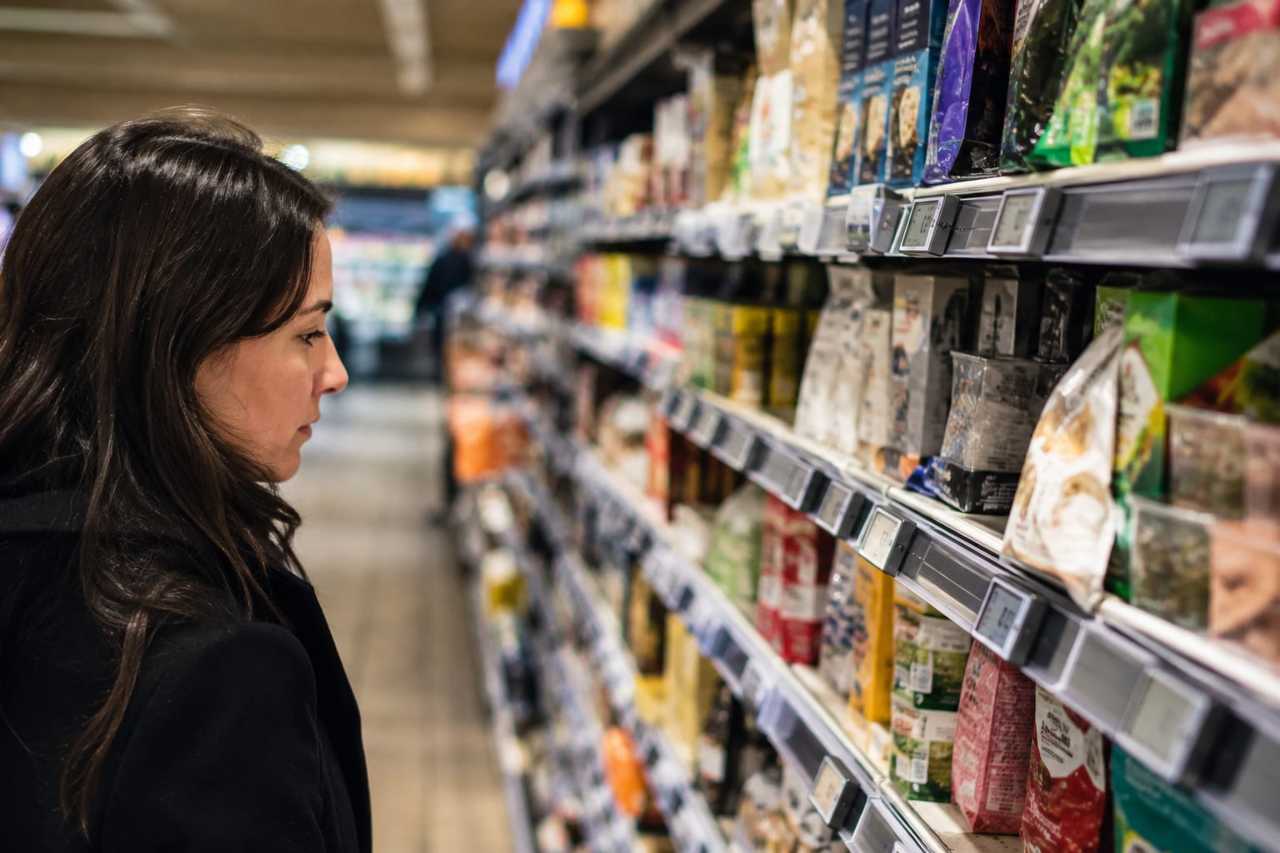
Grocery stores across the country are swapping paper price tags for digital ones, and that shift has privacy experts worried about something called "surveillance pricing."
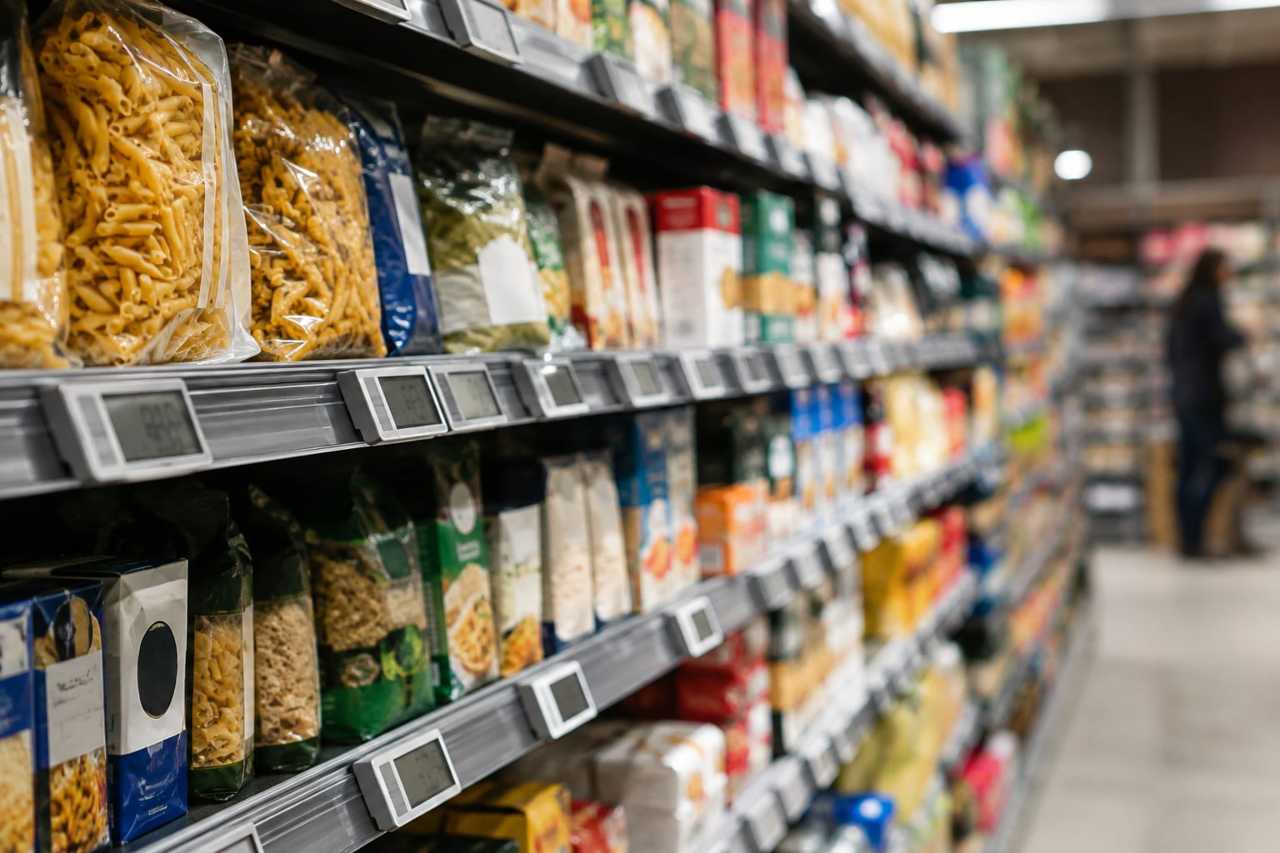
Surveillance pricing means charging different shoppers different prices for the same item based on their personal data, like their shopping habits or even what they search online. Stores say the new digital tags just save workers time when prices change. But some experts fear the technology could open the door to prices that shift based on who you are, not just what's in stock.
A reporter from WGN in Chicago asked shoppers how they felt about stores knowing their spending habits. One shopper said they don't feel comfortable at all, saying there is not much privacy left these days. Another shopper said they see both sides, since stores using data could also mean better deals on things they actually want.

Erion Malasi, with the Economic Security Project of Illinois, says the worry is real. He points out that loyalty programs have used shopper data for years, but now that data could be used to charge people more when they are most in need. He gave an example: if someone has been searching "flu symptoms" online, they might end up seeing a higher price or missing out on a discount other shoppers get.
Malasi's group wants a new state law that would stop companies from using personal data to set prices. Big grocery chains told WGN they do not currently use surveillance pricing, but they would not say whether they might start in the future.
The National Retail Federation pushes back on these fears. A spokesperson, Jason Staczewski, says digital shelf labels are just a display tool, not a pricing tool, and there is no proof retailers are targeting individual shoppers. He says shoppers can easily compare prices online while standing in the store, which keeps stores honest.
Still, companies like airlines and Amazon already use "dynamic pricing," where algorithms change prices based on things like competition and inventory, sometimes within seconds.
What this means for you
You do not need to be a tech expert to understand what is happening here. Digital price tags are new, but the questions they raise about your data and your wallet are simple ones you can ask every time you shop.
- Notice when prices change while you shop and compare them to what you remember paying before.
- Check prices on your phone while in the store, just like the National Retail Federation spokesperson suggested.
- Watch for news on state laws, like the one proposed in Illinois, that could limit how your data is used to set prices.
Next time you are in the checkout line, take a second look at that digital price tag. It might be worth asking your local store whether your shopping history ever affects what you pay.
If you missed it: A Simple Sunday Routine to Start Your Week Right